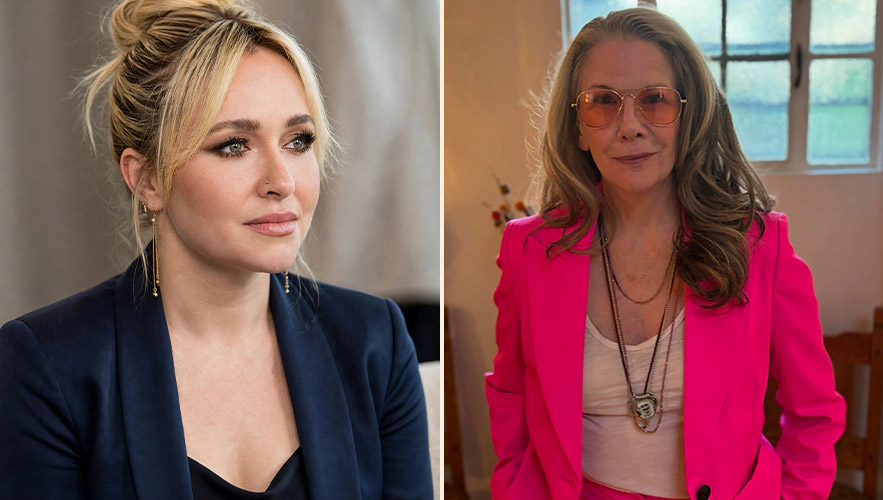
Melissa Gilbert says Hollywood needs lasting protections for young performers, not another cycle of mourning. Her argument is gaining support from other former child stars, but the deaths she cites have different medical circumstances, and Hayden Panettiere’s official cause of death remains undetermined.

Melissa Gilbert is using the death of Hayden Panettiere to press Hollywood for a broader reckoning over how children are treated before, during and after careers in entertainment.
The former Little House on the Prairie star, who began acting professionally as a child and later served as president of the Screen Actors Guild, published an Aug. 22 essay titled “Enough Is Enough.” She called for former child performers, studios, networks and unions to build stronger support systems, including accessible mental health care as young actors move into adulthood.
Gilbert wants more than tributes
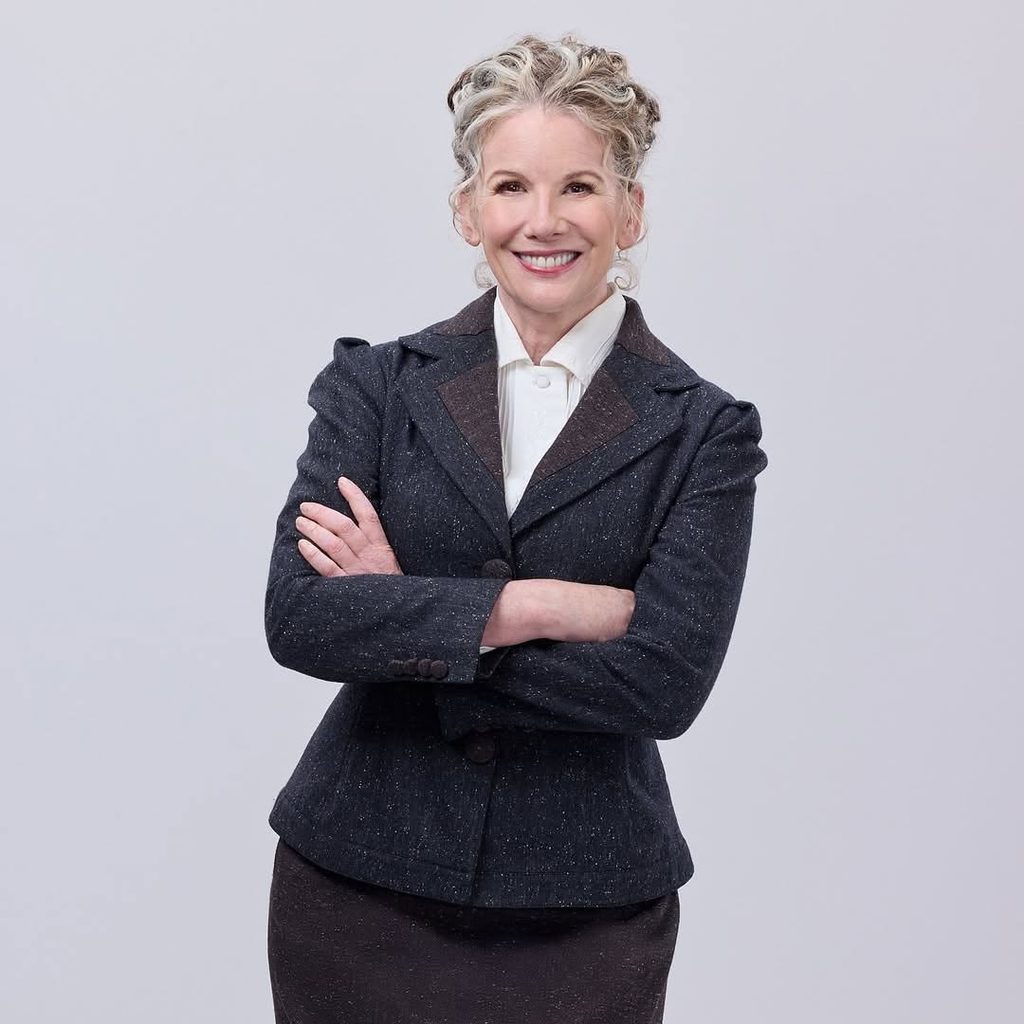
Gilbert’s essay was written after Panettiere, 36, was found unresponsive in Greenville, South Carolina, on Aug. 16. Gilbert also invoked Michelle Trachtenberg and Daveigh Chase, two other former child actors who died before age 40, and described their deaths as a warning that the industry should not treat as a passing moment of grief.
Her central argument is not a narrowly defined legislative proposal. It is a call for structural change: a peer network of former child performers, direct talks with studio and network executives, stronger advocacy inside the performers’ union, free mental health support during the transition to adulthood and, eventually, legislation that could create clearer boundaries around privacy and exploitation.
Gilbert has unusual standing in that debate. SAG AFTRA’s historical records show she led the Screen Actors Guild from 2001 to 2005, after spending most of her life in the business. In her essay, she argues that people who grew up on sets understand pressures that may be invisible to adults who enter the profession later.
The timeline needs one correction
Gilbert wrote that Panettiere, Trachtenberg and Chase had died “within one year.” The broader point was that three women from a similar generation of former child performers had died young, but the one year timeframe is not accurate.
Trachtenberg was found unresponsive in New York City on Feb. 26, 2025, and was 39. That was roughly 18 months before Panettiere’s death in August 2026. Chase, 35, died on June 16, 2026, two months before Panettiere.
That distinction matters because proximity can imply a common event or common cause where none has been established. The deaths can still prompt a legitimate discussion about childhood fame, support systems and long term welfare, but they should not be presented as epidemiological evidence that child acting itself caused the outcomes.
Panettiere’s death remains under investigation
The newest official status also requires caution. Panettiere was found unresponsive and in cardiac arrest at a Greenville residence, where emergency crews attempted advanced life support measures. She was pronounced dead at 2:32 p.m. on Aug. 16.
The Greenville County Coroner’s Office said an autopsy found no signs of trauma that contributed to her death. The cause and manner of death remain pending while additional studies are completed. The coroner has said toxicology results could take several weeks.
ABC News reported Aug. 24 that the Greenville City Police Department is leading the investigation and the Drug Enforcement Administration is assisting. A police report obtained by ABC said it was unknown whether Panettiere had been using drugs or alcohol. That means reports or dispatch references to a possible overdose should not be converted into an official cause of death.
The three deaths had different circumstances
Trachtenberg’s death was ruled natural. The New York City Office of Chief Medical Examiner said she died from complications of diabetes mellitus.
The Los Angeles County medical examiner said Chase died from AIDS, with chronic polysubstance use listed as another significant condition. Her manner of death was listed as natural. Earlier statements from people close to Chase had described meningitis and a blood infection, but the medical examiner’s finding is the controlling official account.
Panettiere’s cause, by contrast, is still pending. She had spoken publicly about addiction, postpartum depression and other painful experiences, and her memoir discussed them extensively. Those facts are relevant context, but they do not establish what killed her.
The distinction is central to an evidence first reading of Gilbert’s essay. Her concerns about workplace culture can be evaluated on their own merits. They do not require treating three separate deaths as proof of a single causal pattern.
Gilbert describes a culture of pushing through
Much of Gilbert’s case comes from her own experience. She wrote that child performers are often praised for being able to “deliver no matter what,” a professional expectation she believes can teach children to ignore physical or emotional distress rather than say no.
Gilbert recalled returning to work on Little House on the Prairie after her father died when she was 11 and said adults on the set avoided discussing his death with her because they feared upsetting her. She also described working through illnesses and injuries later in life, including returning to a production soon after an appendectomy before becoming seriously ill.
Those recollections are Gilbert’s personal account, not findings from an investigation into industrywide practices. But they illuminate the specific reform she is seeking: young performers should have adults around them whose responsibility is not simply to keep production moving, but to recognize when work should stop.
She also argues that smartphones and social media have eroded the limited privacy famous children and young adults once had. In her view, the modern attention economy extends workplace pressure far beyond a studio lot because private moments can become content almost instantly.
Panettiere had described her own costs
Panettiere’s May memoir, This Is Me: A Reckoning, gave that debate a particularly personal backdrop. She wrote and spoke about addiction, postpartum depression, family conflict, domestic abuse and experiences in Hollywood that left her feeling exploited or unsafe.
In one widely reported episode, Panettiere described being taken at 18 by a trusted woman into a yacht cabin where a famous, undressed singer was waiting. Panettiere said she felt shocked and betrayed but ultimately stopped the encounter and left. She did not publicly identify the man.
The memoir also explored what it meant to learn performance habits at a very young age. The important point for the current debate is not to diagnose Panettiere after her death or to infer a medical cause from her writing. It is that she herself connected parts of her adult distress to experiences and expectations formed while she was young and working.
That makes her testimony relevant to questions about consent, boundaries and adult responsibility without making it proof that childhood acting caused her death.
Other former child stars are joining in
Gilbert is not speaking alone. Anna Paquin, who won an Academy Award at 11 for The Piano, wrote after Panettiere’s death that former female child stars were not as protected by industry systems as they should have been. She encouraged others with similar experiences to contact her and said they should support one another.
Rose McGowan went further, arguing that children should not be put into show business at all. Other former young performers have publicly supported Paquin’s message, reflecting a widening discussion among people who experienced fame before adulthood.
Those reactions are advocacy and personal testimony, not scientific evidence of a shared syndrome. Still, they matter because they identify a recurring concern from people with firsthand experience: rules that govern hours, schooling and money do not necessarily address identity, privacy, mental health or the abrupt loss of structure when a child’s career changes.
Protections exist, but they are fragmented
Hollywood does not operate without child labor rules. California, the center of much U.S. film and television production, requires entertainment work permits for minors and permits for employers. It limits working hours by age, requires schooling time in many circumstances and mandates studio teachers for younger performers.
California studio teachers have authority that extends beyond academics. State regulations make them responsible for the health and safety of covered minors, and they may remove a child from a set if they believe conditions present a danger.
Financial safeguards also exist. Under the Coogan framework, 15% of a minor performer’s gross earnings must generally be placed in a blocked trust account. California also requires certain people who provide paid services to child performers to obtain permits and undergo background checks. Beginning in 2026, the state expanded mandated reporter requirements to include talent agents, managers and coaches working with minors.
But the national picture is uneven. The U.S. Department of Labor’s state by state summary shows large differences in entertainment rules, and federal child labor law contains an exemption for children employed as actors or performers. In practice, protections depend heavily on where work occurs and which state rules apply.
Mental health is the gap Gilbert emphasizes
Gilbert’s proposal goes beyond traditional child labor protections. She wants an industrywide system that would provide free, accessible mental health support to child actors as they transition into young adulthood, when the structures surrounding a working minor can disappear quickly.
Some resources already exist. SAG AFTRA’s Young Performers programs and the Entertainment Community Fund’s Looking Ahead program provide support to young performers and families. SAG AFTRA has also hosted programming on substance use and financial planning for young and next generation performers.
Those programs complicate any claim that nothing is being done. At the same time, they are not the same as a universal, guaranteed mental health system that follows every child performer into adulthood. Gilbert’s argument is essentially that voluntary resources and committees do not create the kind of durable safety net she believes the industry owes young workers.
What “real change” would require
Turning that demand into policy would raise practical questions. Who would pay for continuing care? How long after a minor turns 18 would support last? Would access depend on union membership, earnings or the size of a production? How would confidentiality be protected when parents, agents, managers and employers all have financial interests in a child’s career?
There is also an enforcement question. California already gives studio teachers authority to intervene on set, but Gilbert is describing pressures that can extend into publicity, family finances, social media, relationships and adulthood. A meaningful reform plan would have to define which institutions remain responsible once the camera stops rolling.
As of Aug. 24, Gilbert’s essay is a call to organize, not an announced industrywide policy. SAG AFTRA publicly lists young performer committees and support programs, but no new system matching Gilbert’s proposal has been announced in response to her essay.
The immediate facts surrounding Panettiere’s death remain narrower than the debate her death has triggered. Investigators have not announced an official cause. The deaths of Trachtenberg and Chase had different documented medical circumstances. None of that negates Gilbert’s argument that child performers deserve stronger safeguards; it simply keeps the reform debate separate from claims the evidence cannot yet support.
Leave a Reply