Category: Uncategorized

  • Marco Rubio’s State Department prepares mass B1/B2 visa revocations tied to asylum claims

    Marco Rubio’s State Department prepares mass B1/B2 visa revocations tied to asylum claims

    Secretary of State Marco Rubio’s department is preparing to revoke business and tourist visas held by people who later sought asylum in the United States. Officials say the rolling action could affect up to 200,000 visas, but the final number, legal challenges and individual immigration consequences remain unsettled.

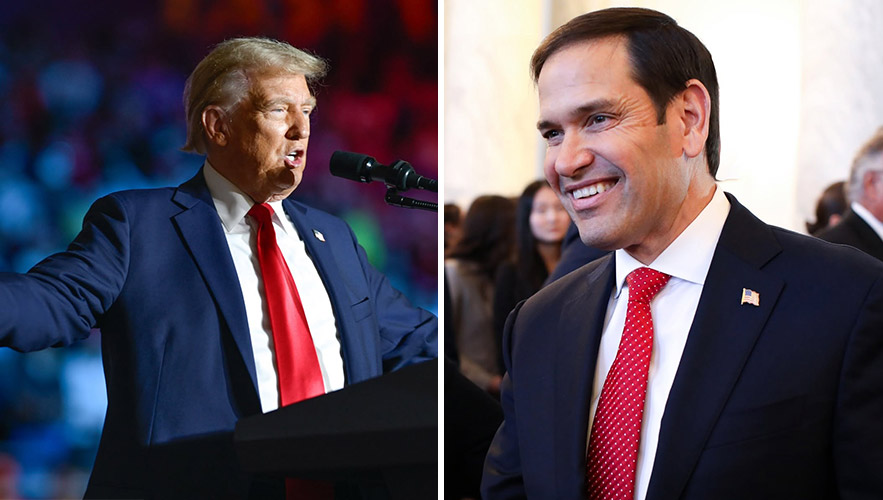
    Senator Marco Rubio via facebook

    The Trump administration is preparing a potentially unprecedented visa revocation campaign aimed at foreign nationals who entered or sought entry as temporary visitors and later applied for asylum. The State Department, led by Secretary of State Marco Rubio, is coordinating with the Department of Homeland Security on the review.
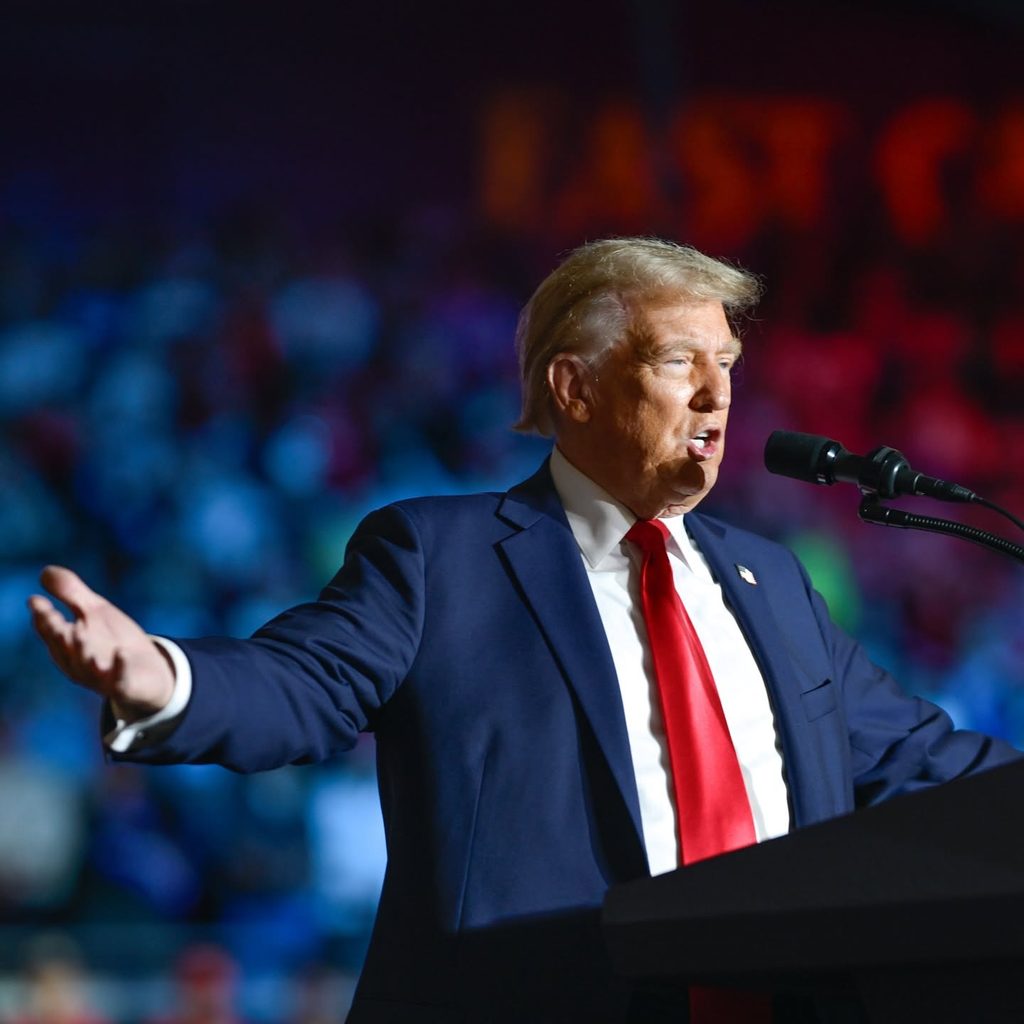
    Donald J. Trump via facebook

    State Department spokesman Tommy Pigott explicitly tied the initiative to Rubio’s leadership, saying the department was acting “under President Trump and Secretary Rubio’s leadership” and was working with DHS to identify and revoke non immigrant visas of people who came as short term visitors and then filed for asylum. The department has not said Rubio personally made each revocation decision.

    What Rubio’s department is preparing

    The reported plan would focus on B1 and B2 visas issued between 2016 and 2026. B1 visas are generally used for temporary business travel, while B2 visas cover tourism, family visits and certain medical travel. State Department guidance requires applicants to demonstrate a temporary purpose and an intent to leave the United States after the trip.

    The Associated Press reported that as many as 200,000 visas could be affected and that, if carried out at that scale, the action would be the largest single mass visa revocation in U.S. history. The State Department has not publicly confirmed that exact figure. Pigott said the total would remain “dynamic” because revocations would be handled on a rolling basis.

    That qualification matters. The administration has confirmed the policy direction, but 200,000 is a potential ceiling reported from internal documents and officials, not a final published count of completed cancellations.

    Why Marco Rubio matters here

    Rubio’s role is institutionally and legally significant because the State Department controls visa issuance and revocation, while DHS handles admission, immigration enforcement and much of the asylum system. Federal law states that a consular officer or the secretary of state may revoke a visa after issuance, giving Rubio’s department broad authority over the travel document itself.

    The State Department’s Foreign Affairs Manual distinguishes between revocations by individual consular officers and those undertaken centrally by the department. It says ordinary consular officers generally should not revoke a visa while the holder is already in the United States, outside specified exceptions, but the department’s Visa Office can act in such cases.

    Rubio has made aggressive visa enforcement a feature of his tenure. Earlier this month, the State Department said more than 175,000 visas had been revoked under the current administration for reasons including criminal activity, national security concerns and violations of visa terms. The asylum linked review would be different because it uses a later asylum filing as a trigger for reassessing an earlier visitor visa.

    A visa revocation is not deportation

    The most important practical distinction is that canceling a visa does not automatically remove someone from the United States. A visa is a travel document that allows its holder to seek admission at a port of entry; it is not a guarantee of admission, nor is it the same thing as a person’s immigration status after entry.

    For someone outside the United States, revocation normally means the canceled visa can no longer be used to travel to a U.S. port of entry. For someone already inside the country, the effect depends on that person’s admission history, whether the authorized stay has expired and whether another immigration process, such as an asylum case, is pending.

    AP reported that the planned cancellations would not necessarily lead to immediate deportation. Many people with pending asylum matters would instead lose their B1 or B2 classification or ability to rely on that visa for future travel while their asylum cases continued under separate procedures.

    Asylum law creates the central tension

    The administration argues that people who obtain visitor visas by representing that their stays will be temporary should not then use those visas as a route to remain permanently through asylum. Deputy Secretary of State Christopher Landau has publicly criticized what he calls “bogus” asylum claims and said asylum should not become a loophole around immigration law.

    But federal asylum law separately allows a person physically present in the United States to apply for asylum regardless of immigration status, subject to statutory exceptions and filing rules. USCIS likewise explains that a person can seek asylum after arriving in the country even without continuing lawful nonimmigrant status.

    Those rules do not mean every asylum claim is valid, and they do not prevent the government from investigating fraud. They do mean that filing for asylum is not automatically unlawful simply because the applicant originally entered on a visitor visa.

    Intent can therefore become a central factual issue. A person who obtained a B visa while already planning to remain permanently may face a different legal problem from someone whose circumstances changed after arrival. Federal law also recognizes changed circumstances as a possible exception to the general one year asylum filing deadline.

    Fraud is a separate question

    Pigott has said that obtaining a visa in order to seek asylum can constitute fraud and provide grounds for revocation. That is a stronger and more specific allegation than simply noting that a visa holder later filed an asylum application.

    Under immigration law, fraud or willful misrepresentation can carry serious consequences, but it generally depends on facts about what the applicant represented and intended when seeking the visa. A later asylum filing, standing alone, does not necessarily prove what the applicant’s intent was earlier.

    The State Department’s own visa manual says a consular revocation should normally rest on an actual finding that a person is ineligible, not merely on unsupported derogatory information. It also allows the department broader “prudential” revocation authority in some circumstances, including when another U.S. agency supplies adverse information.

    How Rubio’s department structures the program—whether it uses categorical rules, individualized findings, prudential revocations or some combination—could shape both its practical reach and any litigation that follows.

    Who may be caught in the review

    The reported 2016 to 2026 window covers a decade of B1 and B2 issuances, but the administration has not publicly broken down the affected group. It is unclear how many people in the potential pool still hold valid visas, how many are outside the United States, how many have pending affirmative asylum cases or how many are already in removal proceedings.

    Those categories matter because the same revocation can have very different consequences. A person overseas may lose the ability to use a visitor visa for travel. Someone in the United States whose authorized B status already expired may have little remaining visitor status to lose, although the cancellation could still affect future travel and later visa applications.

    A pending asylum application also does not itself create a new nonimmigrant status. USCIS decisions and guidance distinguish between being allowed to remain while an application is pending and holding a particular lawful immigration status. That is another reason “200,000 visa revocations” should not be read as “200,000 immediate deportations.”

    The State Department has not said whether every person who ever filed for asylum after receiving a B visa will be treated the same way, or whether the review will account for changed circumstances, already decided cases or evidence showing lawful temporary intent at the time of the original application.

    Legal challenges could test the process

    The government has a strong textual basis for the proposition that the secretary of state has authority to revoke visas. Section 221(i) of the Immigration and Nationality Act says the secretary or a consular officer may revoke a visa after issuance. The Foreign Affairs Manual further describes procedures for consular and department level revocations.

    But broad statutory authority does not settle every question about how a mass program can be implemented. A lawsuit could challenge the way the government identifies people, the factual basis for treating an asylum filing as evidence of prior misrepresentation, or the procedures used to notify visa holders and allow them to respond.

    The State Department manual says consular officers should, when practicable, notify a person of an intent to revoke and allow an opportunity to show why the visa should not be cancelled. Department level revocations under the secretary’s discretionary authority can operate under different rules. Which mechanism is used at scale may become important.

    Rubio’s department has also faced recent judicial scrutiny in a separate visa dispute. On Aug. 22, a federal judge struck down a policy suspending immigrant visa processing for nationals of 75 countries, ruling that the department had exceeded its authority. That case involved a different visa category and legal theory, so it does not decide the legality of this B1/B2 plan.

    The move fits a broader crackdown

    The planned cancellations sit within a wider Trump administration effort to tighten visa screening and immigration enforcement during the president’s second term. The State Department has expanded vetting and pursued revocations on criminal, security, immigration and foreign policy grounds.

    Rubio’s department has repeatedly framed visas as privileges rather than rights and said it will use revocation authority to protect what it calls the integrity of the immigration system. The asylum initiative extends that approach by connecting State Department visa records with information held by DHS and USCIS about later asylum filings.

    According to AP, screening of current B1 and B2 visa holders began after the State Department received asylum related information from U.S. Citizenship and Immigration Services. That interagency data flow allows a later immigration filing to prompt a fresh review of an earlier consular decision.

    What remains unresolved

    As of Aug. 26, the newest authoritative reporting still describes the action as being prepared and rolled out, not as a completed 200,000 person revocation. The State Department has not published a final list of affected visa holders, a definitive total or a comprehensive public rule explaining exactly how individual cases will be selected.

    The most defensible description is therefore narrower than some headlines suggest: Marco Rubio’s State Department is preparing a large scale B1/B2 visa revocation effort targeting people who sought asylum after receiving temporary visitor visas, with up to 200,000 potentially affected according to officials and documents reported by AP.

    What happens next will depend on the final implementation method, the evidence used in individual cases, the response of affected visa holders and any court challenges. The cancellations could be historically large, but they would not by themselves erase pending asylum claims or automatically convert every targeted person into an immediate deportation case.
  • Cattle groups warn Trump’s 90-day beef import plan could slow U.S. herd rebuilding

    Cattle groups warn Trump’s 90-day beef import plan could slow U.S. herd rebuilding

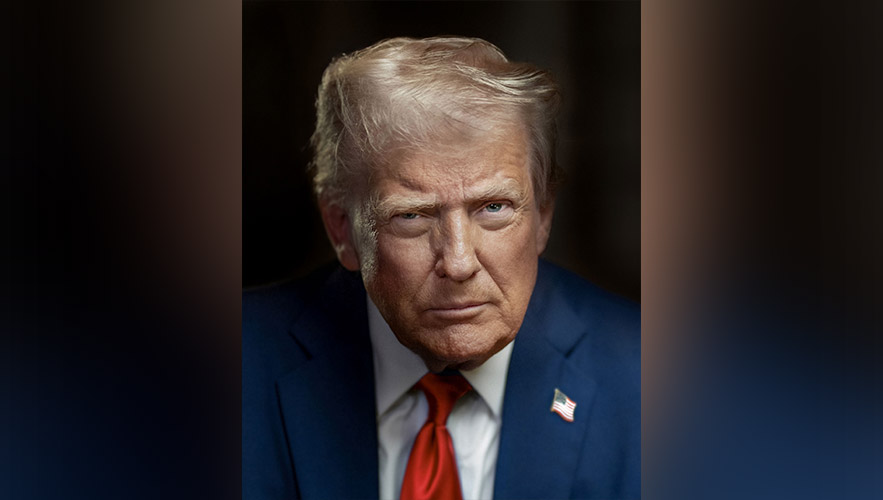
    President Donald Trump says temporary tariff relief on imported beef will help lower ground-beef prices. Major cattle groups argue the move could weaken the market signals ranchers need to expand a herd still near historic lows, while economists question how much shoppers will ultimately save.

    President Donald Trump announced Aug. 21 that the United States would allow up to 300,000 metric tons of lean beef trimmings for ground-beef production to enter over 90 days without the higher out-of-quota tariff. He also said foreign exporters had committed to selling that beef at 25% below current market prices.

    The announcement is not yet the same as a fully implemented trade rule. A White House spokesperson told Fortune that Trump planned to sign an executive order within two weeks. That left key implementation details pending as of Aug. 23.

    Ranchers object to the timing

    The National Cattlemen’s Beef Association responded unusually sharply. The group, which represents more than 175,000 cattle producers and feeders, accused the administration of prioritizing a short-term political message over the long investment cycle required to rebuild cattle numbers.

    Quintin Soloviev, CC BY 4.0, via Wikimedia Commons

    NCBA said encouraging additional imports “undermines America’s producers” just as ranchers are deciding whether to retain more heifers and expand breeding herds. CEO Colin Woodall said the policy and other market interventions “throw cold water on the prospect of herd expansion,” arguing that producers need predictable conditions before committing capital for years.

    The United States Cattlemen’s Association also opposed the move. Its president, Justin Tupper, said the policy would weaken domestic cattle markets. Republican lawmakers from major cattle states, including Sens. Tim Sheehy of Montana, Deb Fischer of Nebraska and Pete Ricketts of Nebraska, raised objections as well.

    The administration is trying to solve two problems at once: high grocery prices now and a domestic cattle shortage that can only be corrected slowly. The dispute is whether cheaper imports help consumers without discouraging investment in future U.S. supply.

    What the tariff change means

    Trump’s wording is narrower than saying all imported beef will become tariff-free. The United States uses tariff-rate quotas for beef from many suppliers. Imports above allotted quantities can face a much higher duty.

    For several important suppliers, the standard out-of-quota tariff is 26.4%. USDA has explained that foreign beef also must come from countries approved for animal-health reasons and from food-safety systems that the Food Safety and Inspection Service recognizes as equivalent to U.S. requirements.

    The White House told Fortune that the new relief would apply to lean beef trimmings used to make ground beef. Those trimmings are commonly blended with fattier domestic beef to produce hamburger with a desired lean-to-fat ratio. The policy therefore targets a specific part of the beef market, not every steak, roast or retail beef item.

    Important details remain undisclosed. Trump did not identify the foreign exporters or countries involved in the 25%-below-market commitment, and the administration has not publicly explained how that discount would be measured, enforced or passed through processors, distributors and retailers to shoppers.

    Beef prices remain unusually high

    The consumer problem is real. Bureau of Labor Statistics data show the U.S. city average price for regular 100% ground beef reached $6.885 per pound in July 2026, up from $6.254 a year earlier. The broader measure for all uncooked ground beef averaged $7.116 per pound.

    Beef prices have been pushed by a combination of tight cattle supplies and resilient demand. The national herd entered 2026 at 86.2 million cattle and calves, the smallest Jan. 1 inventory since 1951. USDA counted 27.6 million beef cows, down 1% from the previous year, while the 2025 calf crop fell 2%.

    There has been a modest sign of stabilization. USDA’s July survey counted 94.2 million cattle and calves on U.S. farms as of July 1, slightly above the comparable 2025 figure. But beef cows were still down 1% from a year earlier, and the 2026 calf crop was estimated at 32.5 million head, 2% below 2025.

    USDA’s latest market outlook, updated Aug. 19, said calf supplies remain tight heading into late 2026 and early 2027. It also lowered its forecast for 2026 beef production while raising its beef-import outlook, underscoring how heavily the market is already leaning on foreign supply.

    Rebuilding cattle takes years

    Cattle production does not respond to price signals as quickly as poultry or many manufactured goods. A rancher who decides to expand must keep a young female out of the slaughter stream, breed her, wait through gestation and then raise the resulting calf long enough for it to move through the beef supply chain.

    That creates a basic short-term tradeoff. Holding back more heifers can reduce near-term beef production even though it is necessary to create a larger breeding herd. Strong cattle prices can encourage expansion, but ranchers also weigh pasture conditions, feed costs, interest rates, drought risk and expected future returns.

    The recent contraction followed years of difficult conditions. Drought forced some producers to reduce herds, while higher operating and financing costs made expansion harder. The New World screwworm threat also disrupted live-cattle flows from Mexico, tightening feeder supplies.

    USDA is scheduled to reopen the Douglas, Arizona, port of entry for Mexican cattle on Aug. 24, subject to animal-health conditions. That step could improve feeder supply, but it does not erase the structural shortage in the U.S. breeding herd.

    This is why ranch groups are focused less on a 90-day import window than on what the policy signals. Their argument is that producers considering herd expansion need confidence that future cattle prices will justify the cost and risk of retaining breeding animals rather than selling them into today’s strong market.

    The import volume has limits

    Three hundred thousand metric tons sounds enormous. It equals roughly 661 million pounds of beef. Yet the relevant comparison depends on whether the question is total U.S. consumption, domestic production or existing imports.

    Agricultural economists interviewed by the Associated Press said the proposed volume amounts to only about 3% of what Americans consume in a year. Kansas State University economist Glynn Tonsor therefore said his initial assessment was that the policy would not have a large effect on retail prices.

    The amount is more significant relative to imports. Before Trump’s announcement, USDA was already projecting record or near-record beef imports in 2026 as domestic supply tightened. Its July forecast was about 6.06 billion pounds, and the agency raised the outlook again in August.

    There is also a logistical question. Texas A&M agricultural economist David Anderson told the AP he was skeptical that exporting countries could redirect the full 300,000 metric tons to the United States in only three months. Available supply, existing contracts, shipping capacity and regulatory eligibility all constrain how quickly trade can shift.

    Removing a 26.4% out-of-quota tariff can materially change the economics of affected shipments. But a lower import cost is not the same thing as a guaranteed 25% decline in supermarket ground-beef prices.

    A 25% discount is not guaranteed

    Trump said the administration has a commitment for the imported beef to be sold at 25% below current market prices. A White House official told ABC News that foreign exporters had agreed to the discount and that it would be passed along to American consumers.

    The public details do not yet establish what the retail impact will be. Ground-beef prices include more than the cost of imported lean trimmings. Processing, transportation, labor, packaging, retail margins and the cost of the domestic beef blended into hamburger all affect the final shelf price.

    Competition could still push prices lower if additional imported trimmings reduce processors’ raw-material costs. But the size and speed of any retail decline will depend on how much beef actually arrives, what price benchmark the promised discount uses and how savings move through the supply chain.

    The administration has announced a mechanism to lower one important input cost. It has not demonstrated that average retail ground-beef prices will fall 25%.

    The politics are difficult to separate

    The timing gives the fight an unavoidable political dimension. The 2026 midterm elections are Nov. 3, and affordability remains one of the most important issues for voters. A Reuters/Ipsos poll conducted July 29 through Aug. 3 found that 48% of Americans said the cost of living would be their most important factor in deciding how to vote if the midterms were held then.

    Pew Research Center similarly found in July that economic issues were the subject registered voters most wanted congressional candidates to discuss, with cost of living and affordability the largest single economic response.

    NCBA explicitly tied the announcement to the election calendar, saying it viewed the plan as being about the remaining days before the midterms rather than a producer-focused policy. That is the association’s political interpretation, not an established motive. The administration says its objective is to reduce prices while giving the domestic herd room to recover.

    The criticism nevertheless creates an awkward coalition problem for Trump. The White House is trying to answer consumer anger about food costs while some ranchers and Republican politicians from cattle-producing states say the chosen tool disadvantages a constituency that has generally supported his trade agenda.

    What happens next

    The first thing to watch is the formal directive. Until the administration publishes the executive action and implementation details, questions remain about the exact tariff treatment, eligible supplying countries, product specifications, timing and administration of the 300,000-metric-ton allowance.

    The second test will be physical trade flows. If exporters cannot assemble and ship close to the permitted volume, the practical effect will be smaller than the headline number suggests. If large quantities do arrive quickly, cattle markets, processing margins and wholesale ground-beef inputs should provide early evidence of the policy’s impact.

    Retail prices will take longer to judge. BLS monthly average-price data can show whether ground beef becomes cheaper, but even a decline would not by itself prove the import policy caused it; cattle prices, energy costs, demand and other supply changes move at the same time.

    For ranchers, the longer test is whether breeding inventories begin to expand. USDA’s July data showed a 3% year-over-year increase in beef replacement heifers, a potential early sign of rebuilding, even as beef cow numbers remained lower. Policies that change expected cattle returns could influence whether that tentative shift continues.

    Trump’s plan is therefore best understood as a temporary consumer-price intervention layered onto a much slower cattle-cycle problem. It may make some imported grinding beef cheaper. Whether it meaningfully lowers grocery bills without discouraging the herd expansion the administration also says it wants is the unresolved question at the center of the fight.

  • Hello world!

    Welcome to WordPress. This is your first post. Edit or delete it, then start writing!